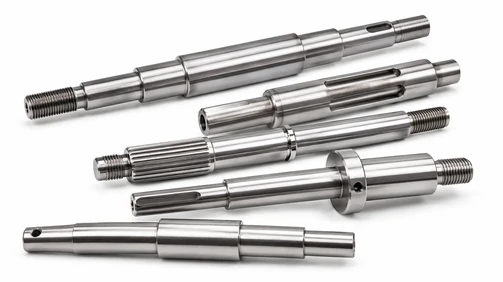
Shafts & Axles
Precision turned shafts and axles with controlled diameters, shoulders, threads and concentric features.
- Shafts
- Axles
- Spindles
- Drive Shafts
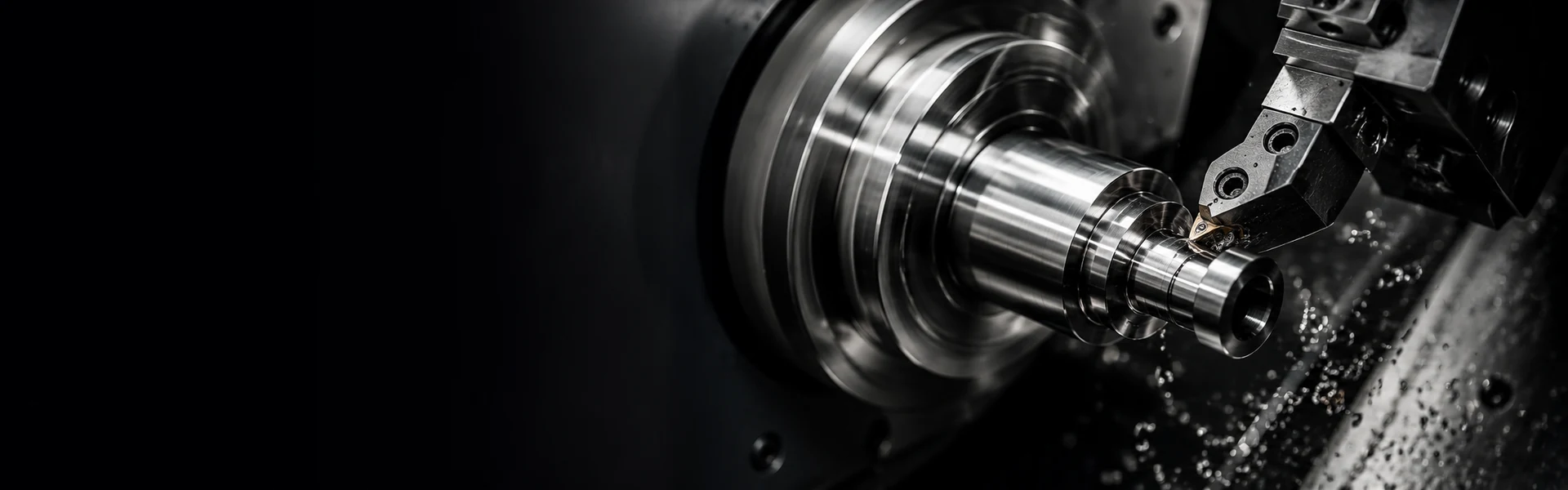
OUR CNC TURNING CAPABILITIES
CNC turning removes material from rotating workpieces to produce precise cylindrical components, including shafts, sleeves, bushings, pins and threaded parts. With controlled diameters, concentricity and surface finishes, our turning processes support a wide range of metal component requirements.
From prototypes to repeat production, each project is reviewed for manufacturability before machining. Our engineers evaluate part requirements, material selection and tolerance needs to help optimize production reliability and reduce avoidable rework.
Applications
Precision turned shafts and axles with controlled diameters, shoulders, threads and concentric features.
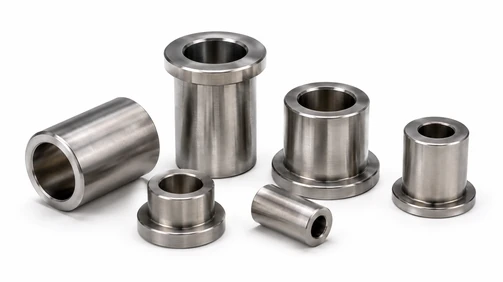
Cylindrical components with controlled bores, wall thicknesses and mating surfaces for fit and assembly.
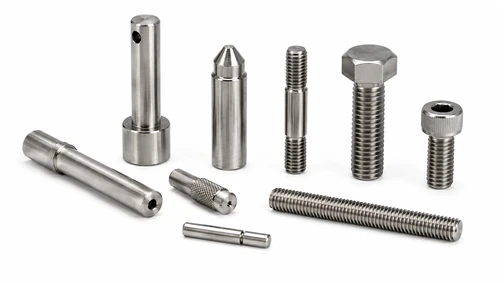
Turned pins and threaded parts produced to confirmed diameter, thread and length requirements.
Why Tongyong
Behind every turned part is an engineering-led team focused on accuracy, repeatability and getting your project right the first time.
You work with engineers who review every drawing for manufacturability and suggest improvements before cutting — not a faceless order queue.
Documented DFM, in-process checks and final inspection mean the 500th part matches the first. Tolerances confirmed against your drawing.
Milling, finishing, inspection and traceability under one roof reduces suppliers, shortens lead time and keeps your part consistent.
Metals we machine
| Preview | Material | Grades | Best for |
|---|---|---|---|
 |
Carbon & Alloy Steel | 1045 · 4140 · 4340 | High strength and hardness for shafts, gears and structural components, with heat treatment or plating as required. |
 |
Brass | C360 · C260 · C272 | Conductive and decorative, with grades suited to machined connectors, valves and fittings. |
 |
Aluminium | 6061 · 6063 · 7075 · 5052 · 2024 | Lightweight and corrosion-resistant, with grades suited to housings, brackets and structural components. |
 |
Stainless Steel | 303 · 304 · 316 · 17-4PH · 416 | Corrosion-resistant, strong and hygienic — for parts that must endure moisture, chemicals or sterilization without losing integrity. |
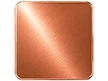 |
Copper | C101 · C110 | High electrical and thermal conductivity for bus bars, electrodes and thermal components. |
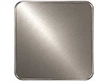 |
Titanium | Grade 2 · Grade 5 | High strength-to-weight ratio and corrosion resistance for demanding lightweight components. |
From our blog
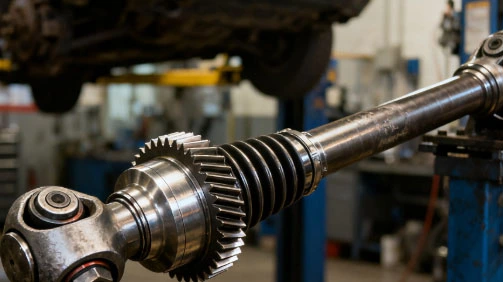
Why a single blanket tolerance is the wrong way to spec a part, and how confirming critical dimensions at DFM keeps quality high and cost sensible.
Common questions
Representative maximum turned diameter is around 400 mm and length up to ~1000 mm. Larger or unusual sizes — send your drawing and we'll confirm feasibility.
As a guide, an ideal length-to-diameter (L/D) ratio for turned parts is around 3:1 — longer, slender shafts are achievable but may need steady rests or center support to control deflection and chatter during machining.
Yes — standard undercuts and thread relief grooves are routine, letting a threading tool exit cleanly or a mating part seat fully against a shoulder. Non-standard undercut widths may need a custom tool, which can add cost and lead time, so we'll flag this during DFM review.
We machine standard UNC/UNF and metric threads to your drawing's callout. Blind-hole threads should leave some unthreaded length at the bottom for tap clearance — we'll confirm thread depth and engagement during DFM review.
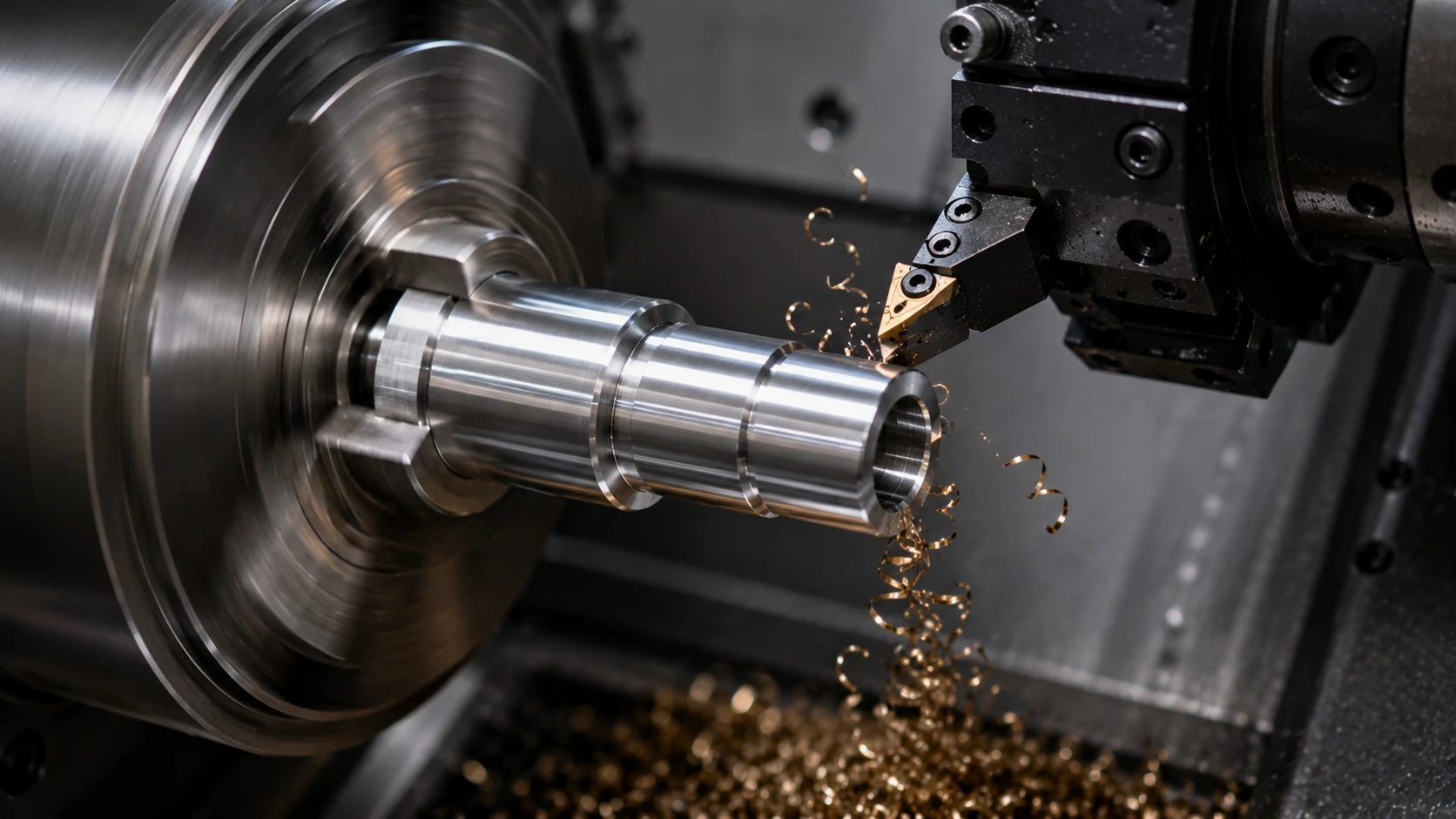
CNC turning is a machining process where the workpiece rotates against a fixed cutting tool, producing cylindrical parts like shafts, bushings and pins. It's the counterpart to milling, where the tool rotates instead of the part.
Turning rotates the workpiece against a stationary cutting tool to create round, symmetric features, while milling rotates the tool against a stationary part to create flat and prismatic shapes. Many parts need both — our live tooling lathes can mill flats, slots and cross-holes in the same setup.
Concentricity is controlled by machining features in a single setup wherever possible, minimizing the number of times a part is re-chucked. For features that must be turned in separate operations, we confirm the required concentricity tolerance against your drawing before machining.
Yes — our live tooling lathes can add flats, slots, cross-holes and other milled features in the same setup as turning, reducing handling and improving positional accuracy compared to moving the part to a separate milling operation.
Send your STEP, IGES, or DWG files along with your project requirements. Our engineering team will review your CNC turning requirements, assess manufacturing feasibility, and provide quotation and DFM feedback based on your project.
We use cookies to collect information about how you use this site. We use this information to make the website work as well as possible and improve our services.more details