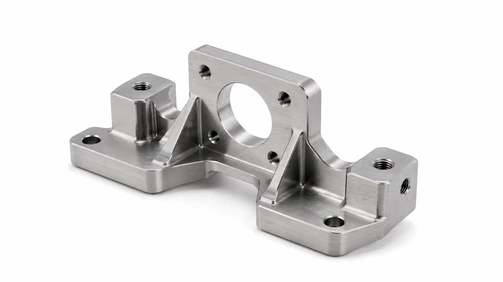
Structural & mounting
Load-bearing suspension and chassis brackets with accurate hole patterns and mounting faces.
- Brackets
- Mounting plates
- Frames
- Spacers
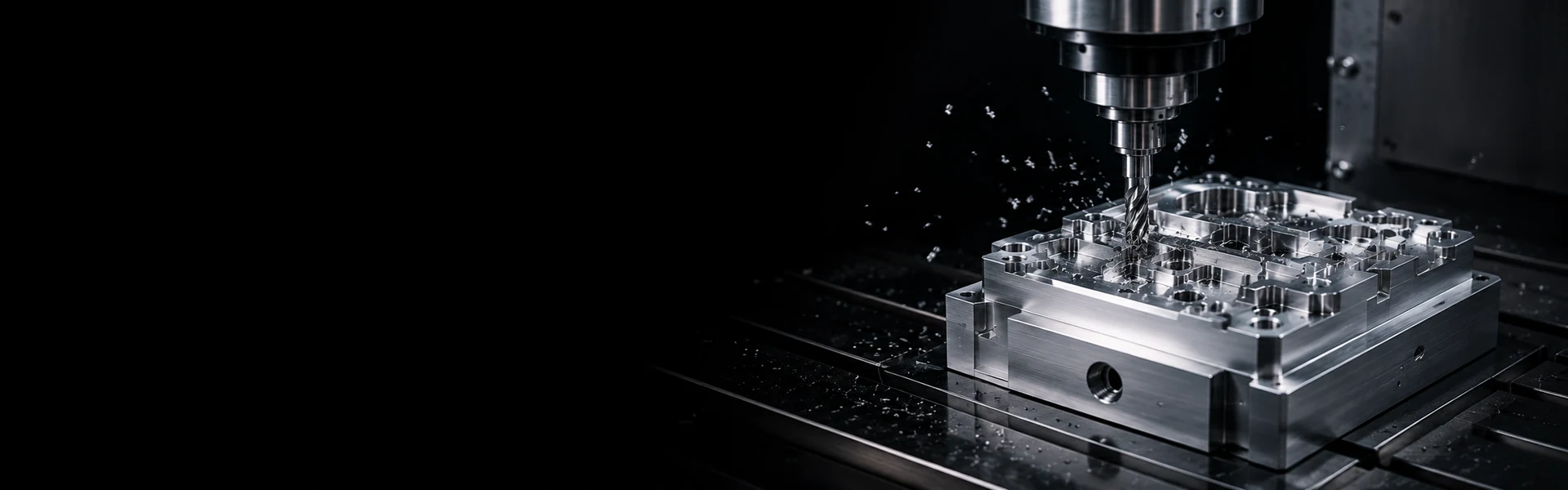
Our CNC milling capabilities
CNC milling removes material from solid billet or plate under computer control to produce prismatic parts—brackets, housings, plates and complex profiles—to confirmed tolerances with consistent batch-to-batch results.
With 3-axis and multi-axis centres, we machine a broad range of metals to specification. Each project is reviewed for manufacturability to identify design and tolerance issues before production.
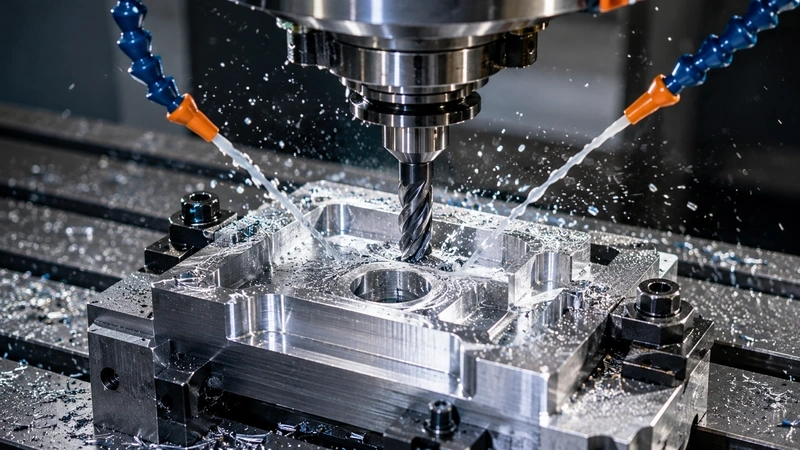
Applications
From structural hardware to thermal and pressure parts, our milling covers a wide range of component types across industries.
Load-bearing suspension and chassis brackets with accurate hole patterns and mounting faces.
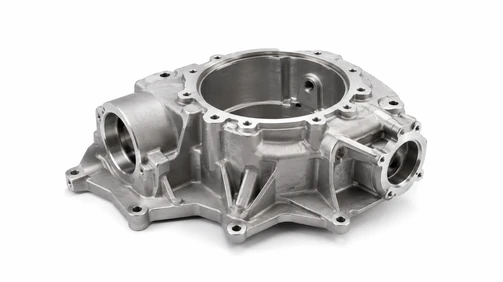
Enclosures and covers with clean cosmetic surfaces and precise feature tolerances.
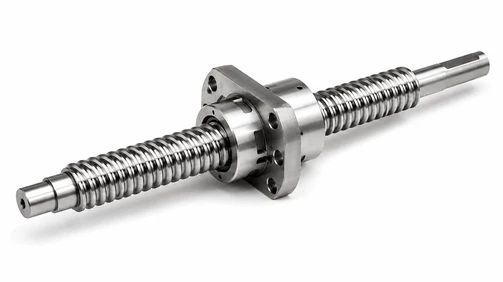
Parts designed for fit and motion, where tolerance and surface finish drive performance.
Why Tongyong
Behind every milled part is an engineering-led team focused on accuracy, repeatability and getting your project right the first time.
You work with engineers who review every drawing for manufacturability and suggest improvements before cutting — not a faceless order queue.
Documented DFM, in-process checks and final inspection mean the 500th part matches the first. Tolerances confirmed against your drawing.
Milling, finishing, inspection and traceability under one roof reduces suppliers, shortens lead time and keeps your part consistent.
Metals we machine
| Preview | Material | Grades | Best for |
|---|---|---|---|
 |
Carbon & Alloy Steel | 1045 · 4140 · 4340 | High strength and hardness for shafts, gears and structural components, with heat treatment or plating as required. |
 |
Brass | C360 · C260 · C272 | Conductive and decorative, with grades suited to machined connectors, valves and fittings. |
 |
Aluminium | 6061 · 6063 · 7075 · 5052 · 2024 | Lightweight and corrosion-resistant, with grades suited to housings, brackets and structural components. |
 |
Stainless Steel | 303 · 304 · 316 · 17-4PH · 416 | Corrosion-resistant, strong and hygienic — for parts that must endure moisture, chemicals or sterilization without losing integrity. |
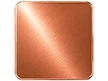 |
Copper | C101 · C110 | High electrical and thermal conductivity for bus bars, electrodes and thermal components. |
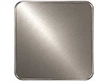 |
Titanium | Grade 2 · Grade 5 | High strength-to-weight ratio and corrosion resistance for demanding lightweight components. |
From our blog
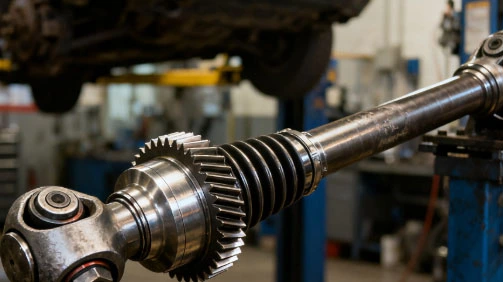
Why a single blanket tolerance is the wrong way to spec a part, and how confirming critical dimensions at DFM keeps quality high and cost sensible.
Common questions
CNC milling is a machining process where a rotating cutting tool removes material from a fixed workpiece under computer control, producing prismatic parts like brackets, housings and plates. It's distinct from turning, where the workpiece rotates instead of the tool.
Milling tools are round, so a perfectly sharp internal corner isn't physically possible — the corner radius is determined by the tool diameter used. As a guide, internal radii should be at least 1/3 of the pocket depth; tighter radii require smaller tools, slower cutting, and higher cost.
Climb milling cuts in the same direction as the tool's rotation, producing a better surface finish and longer tool life, while conventional milling cuts against rotation and is more forgiving on older or less rigid machines. We select the appropriate method based on your material and finish requirements.
Milled parts leave the machine with an as-machined (mill) finish, showing light visible tool marks — typically Ra 1.6–3.2 μm. From there we can apply anodizing, polishing, bead blasting or tumbling depending on your appearance and functional requirements.
Our 3-axis and multi-axis centres handle typical envelopes up to roughly 1000 × 600 × 500 mm. Larger or unusual sizes — confirm with your drawing and we'll advise.
Send your STEP, IGES, or DWG files along with your project requirements. Our engineering team will review your CNC milling requirements, assess manufacturing feasibility, and provide quotation and DFM feedback based on your project.
We use cookies to collect information about how you use this site. We use this information to make the website work as well as possible and improve our services.more details