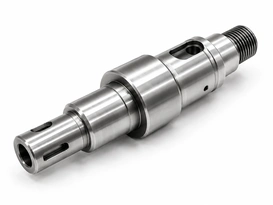
1045
Medium-carbon steel with a good balance of strength, toughness and cost.
- Trait Medium carbon
- Finish Black oxide · zinc
- Typical use Shafts, axles, studs
High strength and hardness for shafts, gears and structural components, with heat treatment or plating as required.
Medium-carbon steel with a good balance of strength, toughness and cost.
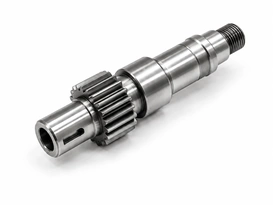
Chromoly alloy: tough, fatigue-resistant and readily heat-treated.
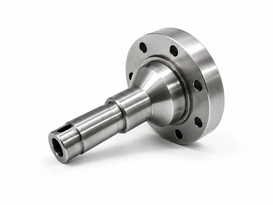
High-strength nickel-chromoly alloy for the most demanding loaded parts.
Conductive and decorative, with grades suited to machined connectors, valves and fittings.
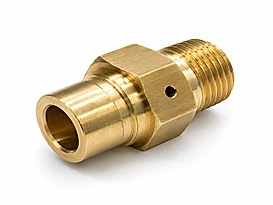
Free-cutting brass with the best machinability of any common metal.
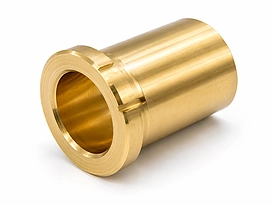
Cartridge brass: ductile, strong and well-suited to forming and drawing.
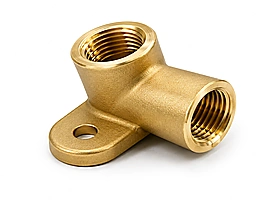
Yellow brass offering a good balance of strength and corrosion resistance.
Lightweight and corrosion-resistant, with grades suited to housings, brackets and structural components.
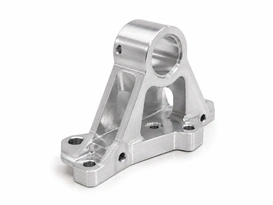
The all-round structural alloy: good strength, corrosion resistance and weldability.
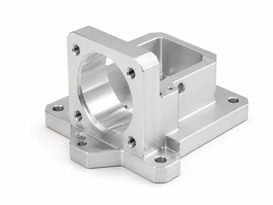
Architectural grade with an excellent extruded finish and superb anodizing.
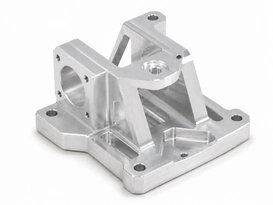
High-strength lightweight alloy for demanding applications
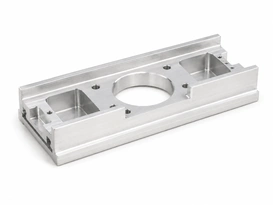
Outstanding corrosion resistance and formability — the marine sheet alloy.
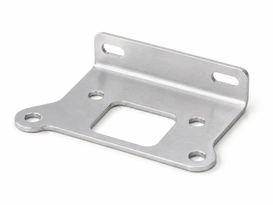
lightweight structural components, subject to customer specifications
Corrosion-resistant, strong and hygienic — for parts that must endure moisture, chemicals or sterilization without losing integrity.
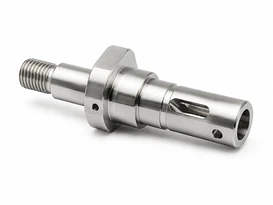
Free-machining austenitic grade ideal for high-volume turned parts.
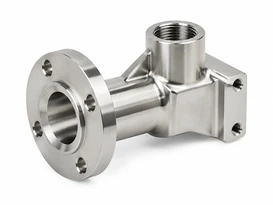
The most widely used stainless: good corrosion resistance and weldability.
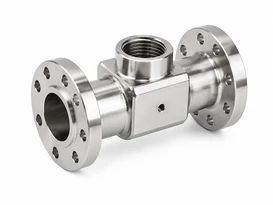
Corrosion-resistant and durable, with grades suited to parts exposed to moisture, chemicals or repeated cleaning.
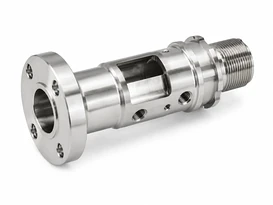
Precipitation-hardening grade combining high strength with corrosion resistance.
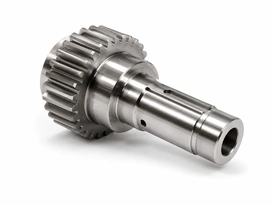
Free-machining martensitic grade that can be hardened by heat treatment.
High electrical and thermal conductivity for bus bars, electrodes and thermal components.
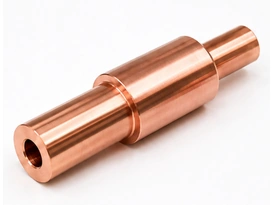
Oxygen-free copper of the highest purity and conductivity.
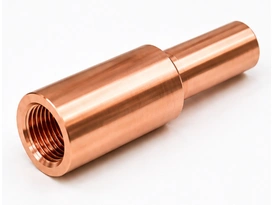
ETP copper with excellent conductivity at lower cost than C101.
High strength-to-weight ratio and corrosion resistance for demanding lightweight components.
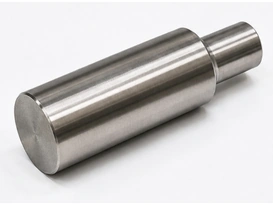
Commercially pure titanium: corrosion-resistant, ductile and weldable.
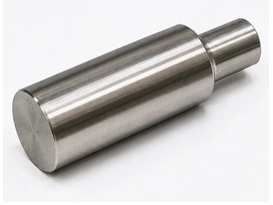
Ti-6Al-4V — the workhorse alloy combining high strength and low weight.
Mill certs and inspection records provided where required.
Yes — we cross-reference common international grade systems (such as AISI, DIN, JIS) against the alloys we stock, so you can specify in whichever standard your drawing uses and we'll confirm the equivalent grade we machine.
Yes — finishing is coordinated alongside machining so parts move from raw material to finished, inspected part under one workflow, without handing off to a separate outside vendor.
Start with the part's function — load, corrosion exposure, temperature, or weight limits — then weigh that against machinability and raw material cost. Aluminum 6061 is usually the most cost-effective starting point for general parts, while higher-performance grades like titanium or 7075 aluminum cost more both in raw material and machining time due to lower machinability.
Machinability rating measures how easily a material cuts compared to a baseline steel — a higher rating means faster cutting speeds, longer tool life, and lower per-part cost. Aluminum grades typically rate well above 100%, while harder materials like titanium can drop to around 20%, meaning slower cuts, more tool wear, and higher machining cost for the same part.
Share your drawings and material specifications. Our engineering team will review material suitability, machining requirements, and applicable tolerances, then provide quotation and technical feedback based on your project.
We use cookies to collect information about how you use this site. We use this information to make the website work as well as possible and improve our services.more details