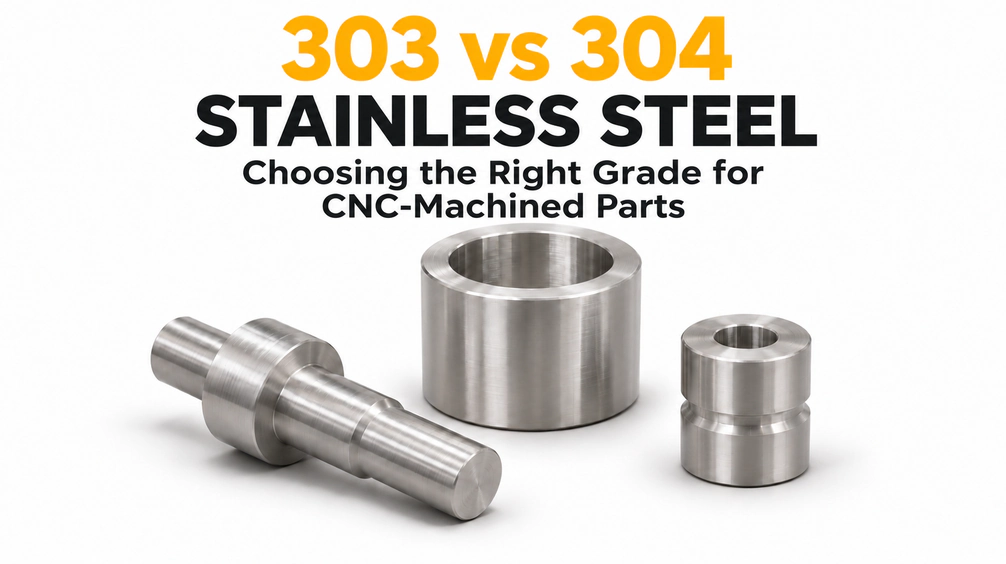
303 is generally easier to turn, drill and thread. It is worth considering for parts where machining efficiency matters, service conditions are mild and welding is not required. 304 generally offers advantages in corrosion resistance, welding and forming. The choice depends on how the finished part will be used and what it must meet at delivery.
For engineers and buyers sourcing custom shafts, bushings, pins and small connectors, the useful comparison connects material properties to drawings, service conditions and finished-part cost. A shaft inside dry equipment may need a different material from a similar-looking fitting that will be welded or cleaned repeatedly.
The Main Differences Between 303 and 304
303 and 304 are both austenitic stainless steels. Sulfur additions in 303 form inclusions that help chips break during cutting, improving machinability. That change also brings trade-offs in corrosion resistance and subsequent manufacturing. The table highlights the differences most relevant to part selection. For other metals and grades, see our CNC machining materials page.
| Selection factor |
303 stainless steel |
304 stainless steel |
| Machining |
Generally easier chip breaking; useful for parts with many cutting operations |
Machinable, with more attention to work hardening, chips and tool wear |
| Corrosion resistance |
Generally below 304; assess wet, chloride-containing conditions carefully |
Generally above 303; pitting or crevice corrosion remains possible in some chloride environments |
| Welding |
Generally not recommended as a routine welding choice |
Good weldability; assess 304L against welding and service requirements |
| Bending and forming |
More limited than 304; easy cutting alone does not justify use for heavily formed parts |
Generally better suited to later bending and drawing |
| Starting stock |
Commonly machined from bar; confirm size and supply condition |
Available in a wider range of product forms; confirm the actual stock |
How Easier Machining Affects Finished-Part Cost
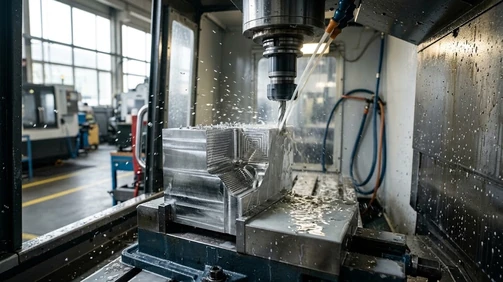
304 tends to work-harden during cutting: material in the worked area becomes harder to cut. Long chips and metal adhering to the tool can also affect chip evacuation and process stability. Sulfides in 303 help chips break, making efficient machining easier in many applications.
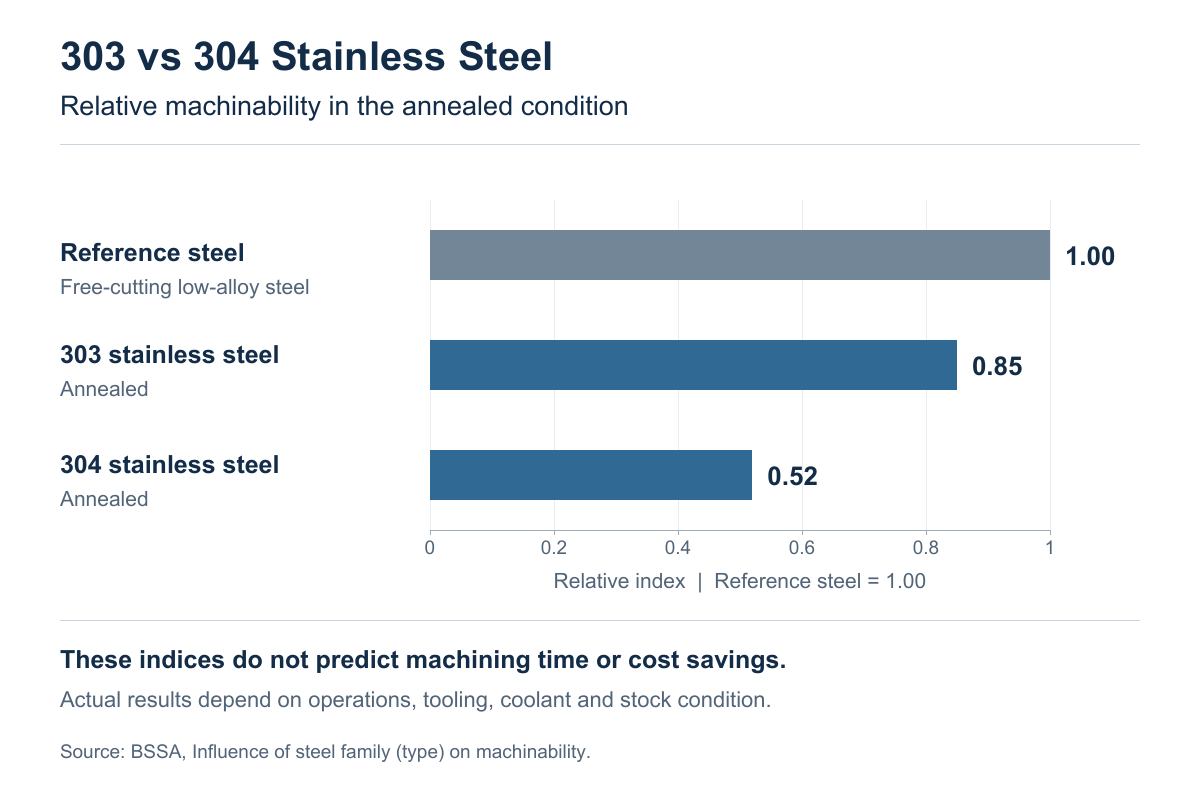
BSSA publishes relative machinability indices that illustrate the difference between the two grades in the annealed condition. Its table assigns an index of 1.00 to a free-cutting carbon-manganese low-alloy steel used as the reference.
| Material |
Relative machinability index |
| Reference free-cutting low-alloy steel |
1.00 |
| 303 stainless steel, annealed |
0.85 |
| 304 stainless steel, annealed |
0.52 |
Source: BSSA guidance on steel family and machinability. These indices compare relative ease of machining. They do not translate directly into a machining time or price difference for a particular part. Actual results depend on operations, tooling, coolant and stock condition.
Machinability Matters More When a Part Needs Many Cutting Operations
Consider a bushing with a turned outside diameter and bore, an end-face groove, a cross-hole and an internal thread. If corrosion conditions and later operations permit 303, the supplier can assess machining time, tool consumption and chip control across those features. For a simple washer needing little machining, the difference in machinability may have less influence on the quote.
When comparing 303 vs 304 stainless steel prices, the grade alone will not tell you which finished part costs less. Compare material costs for the actual stock size, supply condition and purchase quantity. Then ask suppliers to quote the same drawing revision, quantity and finished-part requirements, including machining, setup and later treatments. Easier machining does not make 303 the cheaper option on every order.
Specify Precision and Appearance Separately
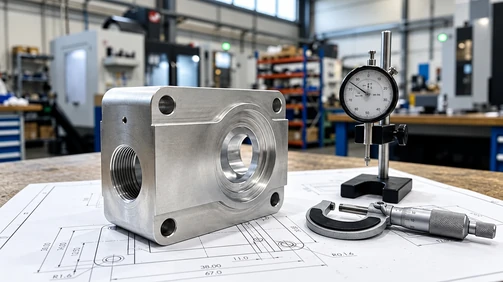
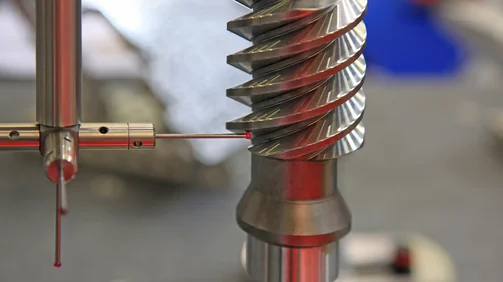
Good machinability helps production, but achieving a dimensional tolerance or surface requirement also depends on geometry, fixturing, material condition and the machining process. 304 can be precision-machined too. The grade does not determine whether a part is suitable only for rough work.
Cosmetic faces, sealing surfaces and bearing fits perform different jobs. Specify their roughness, permitted tool marks and inspection requirements separately. Our CNC machining tolerances guide explains which dimensions may justify tighter control.
Service Conditions and Later Operations Can Change the Choice
Describe Moisture and Chloride Exposure Clearly
Sulfides in 303 can act as initiation sites for localized corrosion. If a part will encounter salt water, sweat, chloride-containing cleaners or persistently wet crevices, include those conditions in material selection. Descriptions such as “indoor use” or “rust-resistant” leave important questions open. 304 generally resists corrosion better than 303; more demanding conditions may call for a 316-series grade or another suitable material.
In an RFQ, identify the medium, temperature, duration of contact and cleaning method. Two parts inside household equipment may face very different conditions: one stays dry, while the other is repeatedly wetted by a salty liquid. That difference can change the material and surface-treatment recommendation.
Passivating sulfur-containing, free-machining stainless steels such as 303 requires attention to the small recesses left when sulfides are removed. Carpenter’s guidance on passivation explains that residual acid can remain in these locations and continue attacking the surface. Have the finishing supplier confirm a process suited to the material, including removal or neutralization of residual acid, cleaning and acceptance requirements. Passivation helps the material achieve its inherent corrosion resistance; it does not establish that 303 can replace 304 in a given environment.
Reassess 303 When Welding or Substantial Forming Is Required
303 is generally not recommended for routine welding. If the design calls for a turned shaft to be welded to a support plate, or if welded features may be added later, raise that requirement during material selection. 304 is generally better suited to this manufacturing route. Post-weld corrosion requirements and service conditions can also affect whether 304L is appropriate and how welding and subsequent treatment should be arranged.
Likewise, a part requiring substantial bending or drawing should not be assigned 303 solely for easier cutting. Compare materials against the forming operations as well. 304L is a separate material requirement: the drawing and purchasing specification should establish whether 304, 304L or dual-certified material is acceptable.
Apply the Comparison to Specific Part Requirements
303 is commonly used for shafts, bushings and threaded machined components, especially where many cutting operations are needed, service conditions are mild and welding is unnecessary. 304 has broader uses. Alongside mechanical parts, it is used for architectural railings, decorative components and some rainwater drainage systems. These applications may involve welding, bending or prolonged exposure to moisture. Coastal, high-salt or corrosive drainage conditions still require material selection based on the actual medium and maintenance conditions.
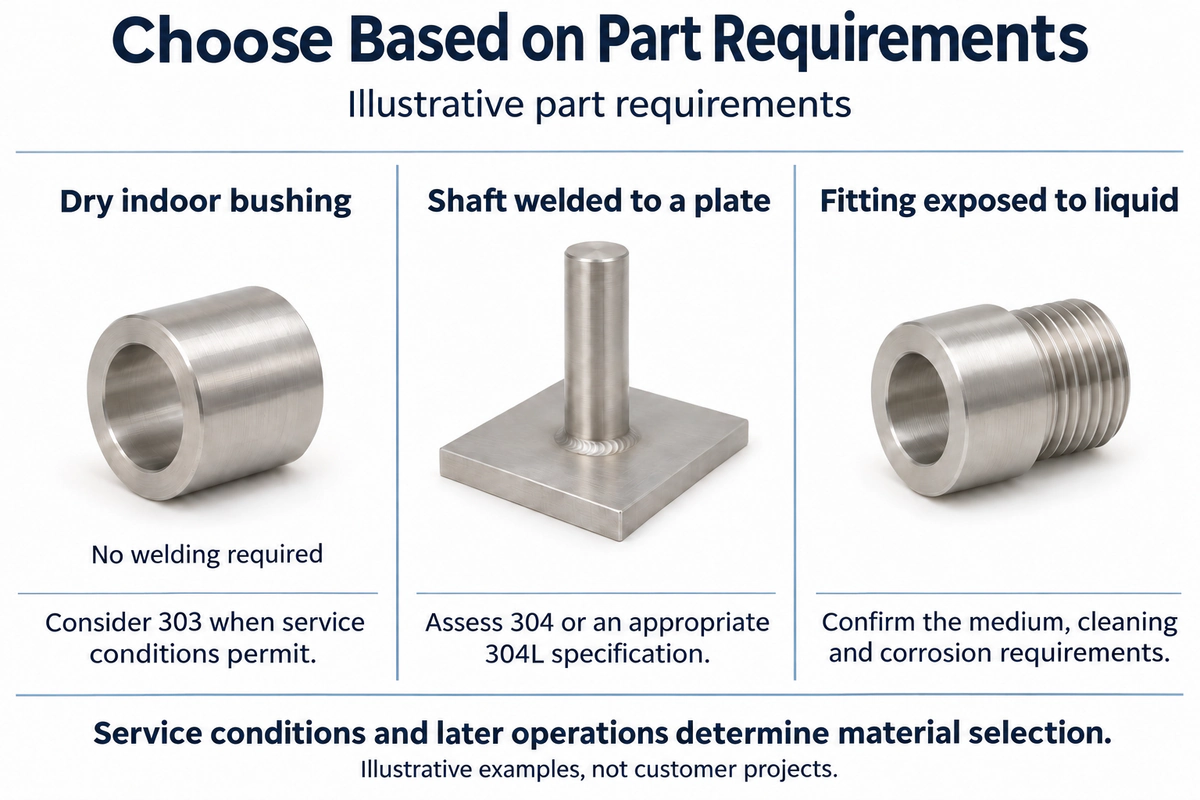
The following three examples illustrate how requirements affect the choice; they do not describe customer orders. Parts with the same name can need different materials when service conditions or joining methods change.
An Indoor Bushing That Will Not Be Welded
A bushing in a protected, dry location needs outside turning, boring and threading, with no welding or substantial forming. 303 is worth considering. Compare machining cost, fit dimensions and the final surface. If wear resistance or high loads matter, confirm those properties separately. Ease of machining does not demonstrate wear resistance or load capacity.
A Shaft That Must Be Welded to a Support Plate
Even if most of the shaft is produced by turning, the later weld affects material selection. Assess 304 or an appropriate 304L specification before choosing 303 for its cutting efficiency. Include post-weld dimensions, weld acceptance and service conditions in the finished-part requirements.
A Small Fitting in Contact with Liquid
Small holes, internal threads and turned diameters can make 303 attractive to machine. However, the liquid in the passage, whether cleaning fluids drain completely and whether threaded crevices remain wet may matter more to the final choice. Evaluate 304, 316-series grades or other materials against the medium, and define cleaning and acceptance requirements. Small size and complex machining do not remove the need for that assessment.
How to Compare 303 and 304 in an RFQ
If both grades are still under consideration, send the same drawing to the supplier and ask which requirements affect the material choice, along with the machining, treatments and inspections included in each option. Where a drawing already specifies the material, quote to that requirement. Any substitution needs approval rather than an unagreed change by the supplier.
| Information to specify |
Useful detail |
| Material and stock |
Grade, applicable standard, bar or other product form, and supply condition; identify permitted candidates if selection is open |
| Service and later operations |
Medium, temperature, cleaning method, welding, bending and subsequent assembly |
| Drawing and acceptance |
The same model and drawing revision, critical fits, roughness, cosmetic surfaces, finishing and material documentation |
| Quantity and delivery scope |
Prototype and production quantities, inspection records, packaging and delivery scope for a like-for-like comparison |
Supply condition matters too. Cold-drawn stock and annealed stock can differ in strength and machining behavior. Confirm the actual material behind the quote, even when both offers say 303 or 304. If you are still assembling models, drawings and inspection information, use our CNC machining RFQ checklist.
Choosing between 303 and 304 starts with how the part will be used after machining. Assess 303’s machining benefits where the environment and later operations permit it. Where corrosion resistance, welding or forming carries more weight, assess 304 and suitable variants, then compare quotes against the complete finished-part requirements.
For custom shafts, bushings or threaded rotational components, explore Tongyong’s CNC turning capabilities and send your drawing, quantity and service conditions through our contact page. If the material is undecided, explain that you are comparing 303 and 304 so that material, later operations and delivery requirements can be discussed together.
Information Sources
British Stainless Steel Association — Influence of steel family (type) on machinability.
Atlas Steels — Stainless Steel 303, 303Se Grade Data Sheet; Stainless Steel 304, 304L, 304H Grade Data Sheet. Both revised April 23, 2021.
Carpenter Technology — Passivating Stainless Steel Parts.
British Stainless Steel Association — Selection of stainless steels for the food processing industries.
Euro Inox — Stainless Steel for Rainwater Goods and Accessories.
FAQ