Custom CNC Machining Manufacturer · Precision Metal Parts from Prototype to Production

Wire EDM or Sinker EDM — Which Is Right for Your Part?

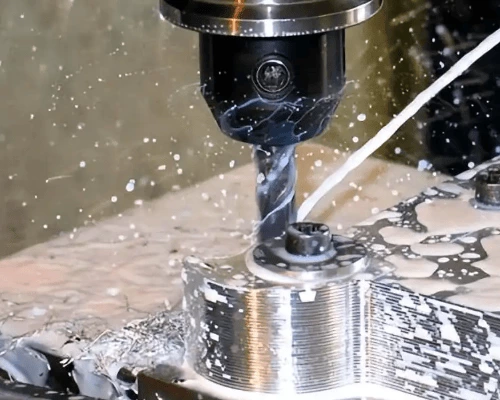
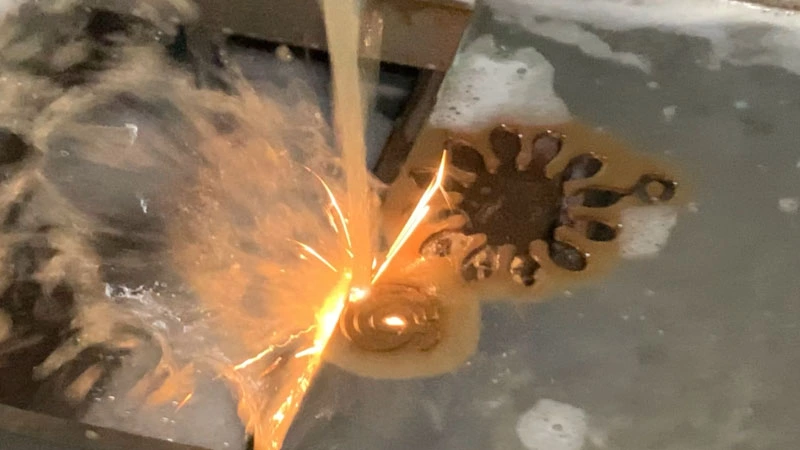
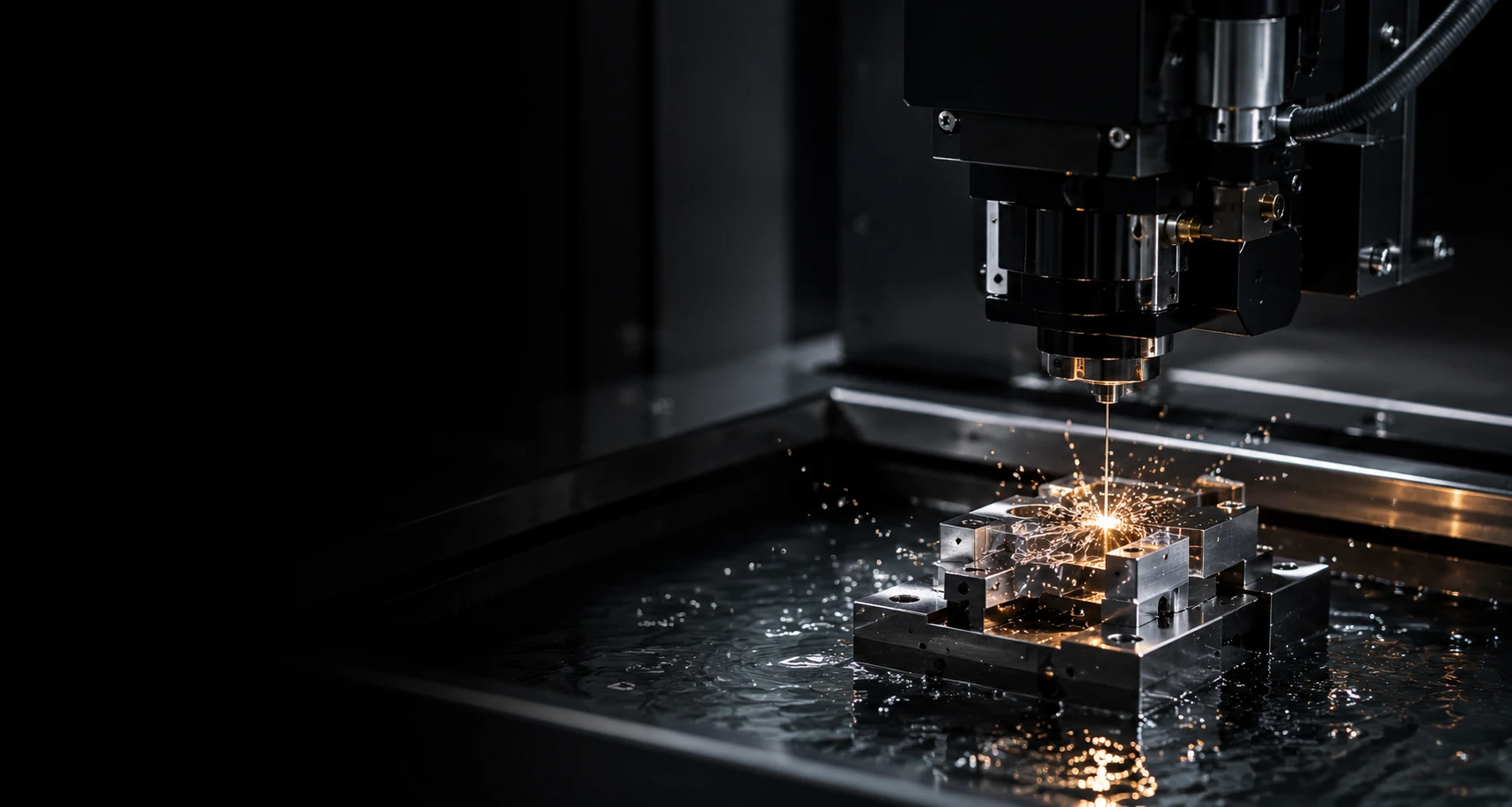
EDM removes material using controlled electrical discharges in a dielectric fluid instead of a cutting tool. Because there is no mechanical cutting force, it is well suited to electrically conductive materials, including hardened tool steels, carbide and other difficult-to-machine alloys.

Wire EDM

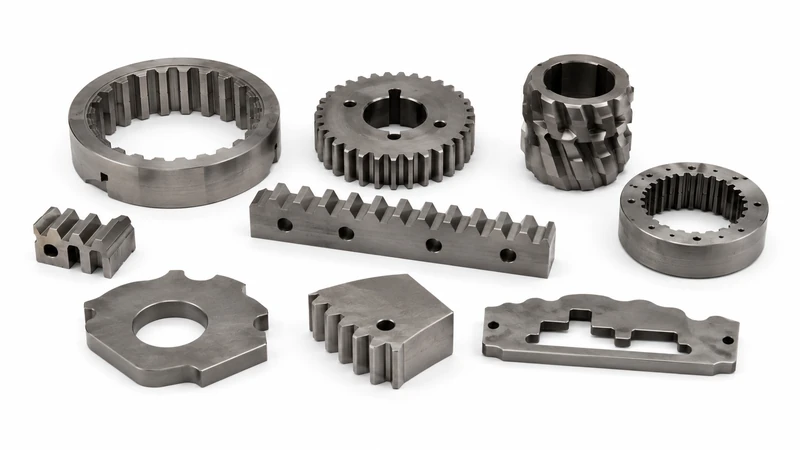
A fine charged wire follows your profile through the full thickness of the part, cutting intricate 2D and tapered shapes with very sharp internal corners and a clean edge. Choose it for through-cut profiles, dies, gears, splines and fine 2D detail in hardened steel.

  • Through-profiles
  • Sharp internal corners
  • Tapered cuts
  • Hardened steel

Sinker (ram / plunge) EDM

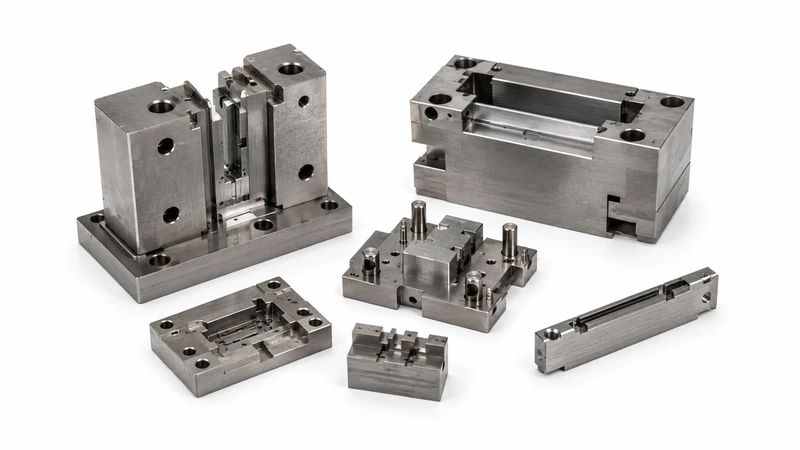
A shaped graphite or copper electrode is sunk into the workpiece to burn its mirror image — producing blind cavities, deep ribs, fine slots and sharp internal detail no rotating tool can reach. Choose it for mould and die cavities, blind features and 3D detail.

  • Blind cavities
  • Deep ribs & slots
  • Keyways
  • Mould & die detail

Often combined on one part - for example a sinker-burned cavity finished with wire-cut profiles, or a start hole drilled for a closed wire path. If you already know which process you need, tell us; if not, we'll recommend the route.

What parts suit EDM?

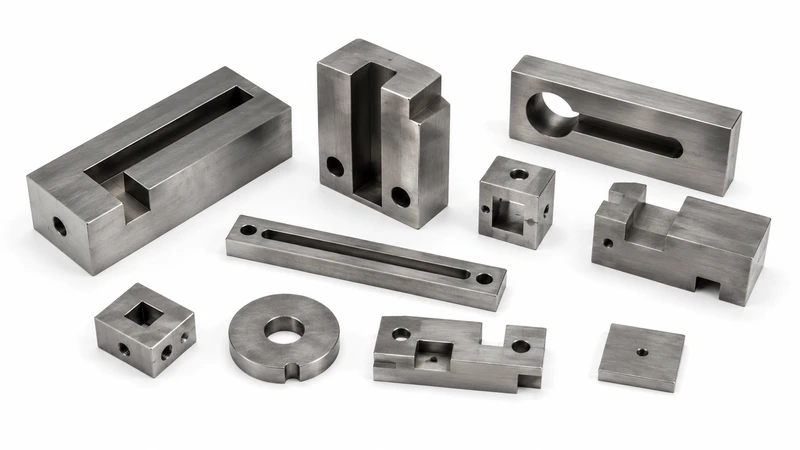
Part types and features that benefit from non-contact machining—especially hard, intricate or delicate components made from electrically conductive materials.

Representative EDM capabilities

Indicative limits across our wire and sinker EDM work. Your geometry, material and finish set the achievable numbers — confirmed against your drawing at quoting.

Capability Wire EDM Sinker EDM
Typical tolerance From ±0.005 mm* From ±0.01 mm*
Typical surface finish Down to ~Ra 0.2 μm Matte to polished, depending on electrode and finish strategy
Internal corner radius Limited by selected wire diameter Limited by electrode geometry
Typical slot / kerf Typically ~0.2–0.3 mm Determined by electrode size
Typical workpiece thickness Up to ~300 mm (machine dependent) Suitable for deep blind cavities and ribs
Taper / draft Controlled tapered profiles Draft produced by electrode design
Feature capability Start holes, fine profiles, narrow slots Blind cavities, ribs, engraving, text
Typical applications Through profiles, dies, gears, precision 2D shapes Cavities, mould details, slots, keyways

Values are representative. Specific tolerances and finishes are agreed and confirmed against your drawing at DFM review.

How EDM jobs are engineered and controlled

Result quality on an EDM part is decided before the first spark — in process choice, setup and electrode planning — and confirmed by how the surface and critical features are checked.

Process selection

Process selection

We confirm wire vs sinker (or a combination) against the geometry, hardness and feature detail before quoting — the single biggest driver of cost and outcome.

Datum & setup strategy

Datum & setup strategy

Datums and fixturing are planned so profiles, cavities and existing machined features stay aligned — critical when EDM follows prior milling or heat-treat.

Electrode planning

Electrode planning

For sinker work we plan electrode count, material and wear allowance — typically a roughing and a finishing electrode — to hold form and finish in the cavity.

Surface integrity

Surface integrity

Spark energy is tuned to manage the recast layer and heat-affected zone, with skim passes where a part is fatigue- or finish-critical.

Post-EDM finishing

Post-EDM finishing

Where needed, EDM is followed by polishing, grinding or stoning — so sealing faces, sliding surfaces and cosmetic detail meet their final spec.

Inspection focus

Inspection focus

Critical corners, slot widths and profiles are measured — optical, CMM or gauge — and reported against your drawing, not assumed from the program.

What EDM does to the surface — and what comes after

EDM can leave a recast layer and heat-affected zone on the machined surface. Their extent depends on the material, discharge parameters and finishing strategy. For many applications, the as-EDM surface may meet the confirmed requirements. For fatigue-, sealing- or fracture-sensitive features, surface integrity should be reviewed and managed accordingly.

We treat EDM as a shaping process—not always the final surface step—and plan any required finishing and inspection accordingly.

  • Recast layer and heat-affected zone managed through discharge parameters and skim or finishing passes.
  • Micro-cracking risk reviewed for fatigue- and fracture-sensitive applications.
  • Polishing, grinding or stoning applied where sealing, sliding or cosmetic surfaces require it.
  • Fit, sealing and fatigue-sensitive surfaces identified during drawing and engineering review.

When to choose EDM over milling, turning or grinding

EDM is slower than conventional cutting, so it earns its place when hardness, sharp internal geometry or delicate sections make a rotating tool the wrong choice. The question isn't "is EDM capable" — it's whether your part genuinely needs it.

// Choose EDM when
  • The part is made from hardened steel, carbide or another electrically conductive material that is difficult to machine conventionally.
  • Internal features require smaller radii than practical milling tools can produce.
  • Thin walls or delicate sections may deflect under mechanical cutting force.
  • The feature is a narrow slot, deep rib, blind cavity or internal profile that is difficult to reach with conventional tooling.
  • A prototype or low-volume hard-metal part requires complex profiles without investing in dedicated form tooling.
// Conventional machining is better when
  • The material machines efficiently with conventional tools and a large amount of stock must be removed.
  • The geometry is open and accessible, without difficult internal features.
  • Large flat, round or cylindrical surfaces require a finish better suited to grinding or conventional finishing processes.
  • Cycle time and cost are more important than small internal radii or complex enclosed features.
  • The material is non-conductive, so EDM is not applicable.

Not sure? Send your model and we'll advise whether EDM, milling, turning or grinding is the right route at DFM review.

EDM machining FAQs

When should I choose wire EDM instead of milling?

When the part is hardened, has sharp internal corners a tool radius can't leave, or is a thin profile that would distort under cutting force. Wire EDM cuts a through-profile in any conductive metal regardless of hardness — ideal for dies, gears and fine 2D detail — though it's slower than milling on soft, open geometry.

For blind cavities, deep ribs, fine slots and 3D internal detail that a wire can't reach through the part — the go-to for injection-mould and die cavities. A shaped electrode burns its mirror image into the surface.

Hardened tool steels, tungsten carbide, superalloys (Inconel, Hastelloy), titanium and stainless — the materials that are hardest to cut conventionally. Any electrically conductive metal can be EDM machined; non-conductive materials cannot.

On wire EDM, down to the wire radius (around 0.1 mm); on sinker EDM, down to the electrode radius. Far sharper than any milling cutter can leave — confirmed against your drawing.

Down to roughly 0.2 µm Ra on wire EDM, and matte-to-polished on sinker depending on the electrode and settings. Spark erosion leaves a thin recast layer, which skim passes reduce where finish is critical.

Often not — EDM finishes are acceptable for many parts. Where a surface is sealing-, sliding-, cosmetic- or fatigue-critical, we follow EDM with polishing, grinding or stoning to meet the final spec.

A 2D drawing (DXF / DWG) for wire profiles or a 3D model (STEP / IGES) for sinker work, plus material and hardness, heat-treat sequence, critical corners/slots/depths, surface and tolerance priorities, and quantity. A sketch is enough to start.

Have a hard or intricate part for EDM?

Send your DXF, DWG, or STEP files along with your project requirements. Our engineering team will review your wire EDM or sinker EDM requirements, assess manufacturing feasibility, and provide quotation and DFM feedback based on your project.


This site uses cookies

We use cookies to collect information about how you use this site. We use this information to make the website work as well as possible and improve our services.more details